
Picture two children who want the same toy truck. A hand reaches out, a “no” follows, sometimes with a few tears. Then an adult comes closer and supports the situation. To us, it may look like a tiny moment. For the child, it already says a great deal about living with other people.
At Les Petits Tournesols, social development grows in exactly these moments: play, meals, activities, waiting, discoveries, disagreements and all the ordinary experiences that make up a day in childcare.
Learning to live with others takes time
Growing up is not only about becoming independent. It is also about discovering that other people have their own wishes, pace and emotions. Little by little, a young child learns to join a game, suggest an idea, wait sometimes, hear “no”, ask for help, cooperate and start again after a disagreement.
Luxembourg’s national framework for non-formal education describes the group as a place for social learning. Through play with other children, children are encouraged to put forward their ideas, adapt them to others’ suggestions and gradually make compromises. The framework also gives professionals an active role in supporting these relationships.
A small society at a child’s level
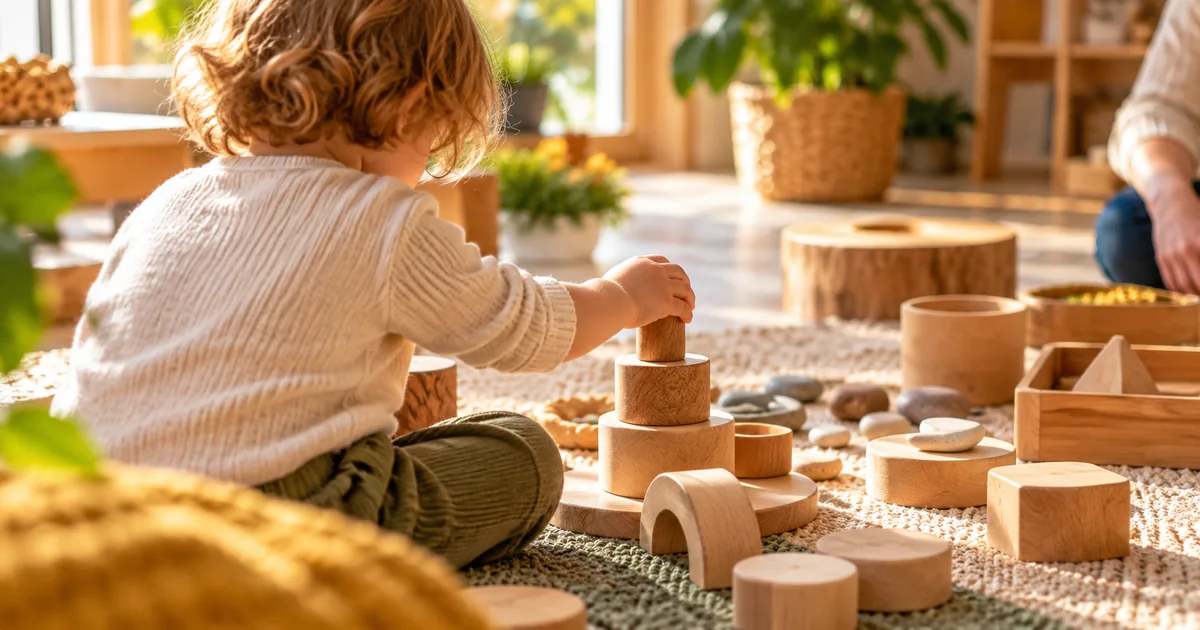
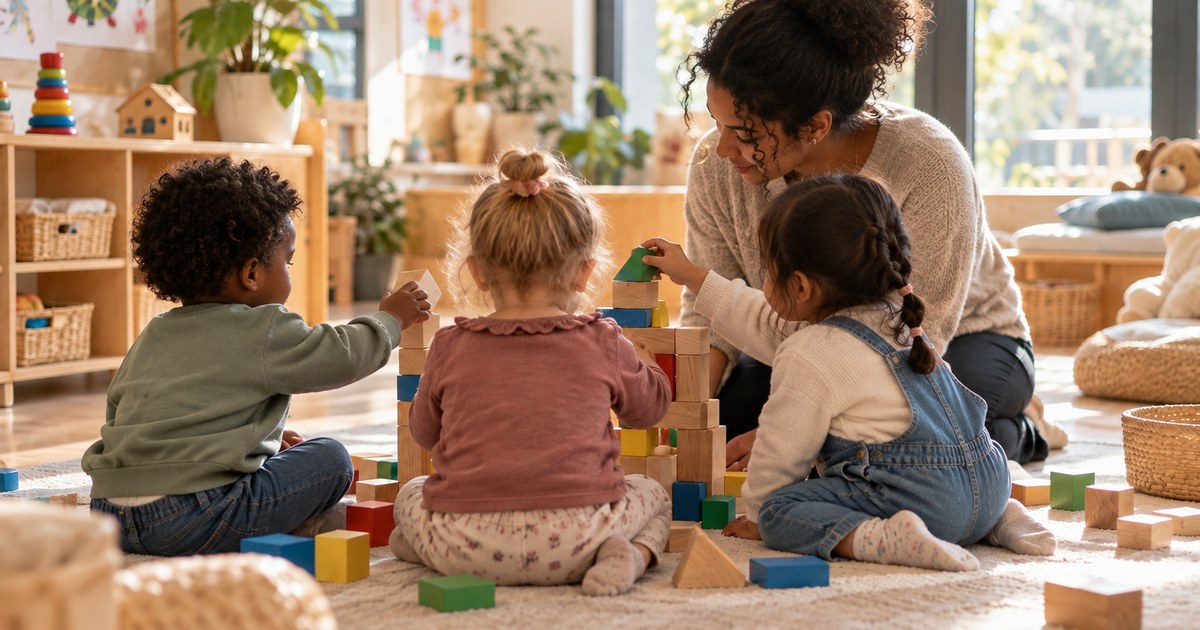
Take another ordinary scene: three children are building a tower with blocks. One places the pieces, another wants to decide, while the third watches before joining in. The tower falls. Someone protests, someone laughs, and they begin again. There is no need for a formal “social skills lesson”: the situation itself offers a chance to notice others, find a place in the group and do something together.
This is also what the OECD highlights: in early childhood education and care, children’s everyday relationships with other children, staff, families and their environment matter. In other words, simply putting children together is not enough; the quality of what they experience together matters too.
What our educators do in everyday practice
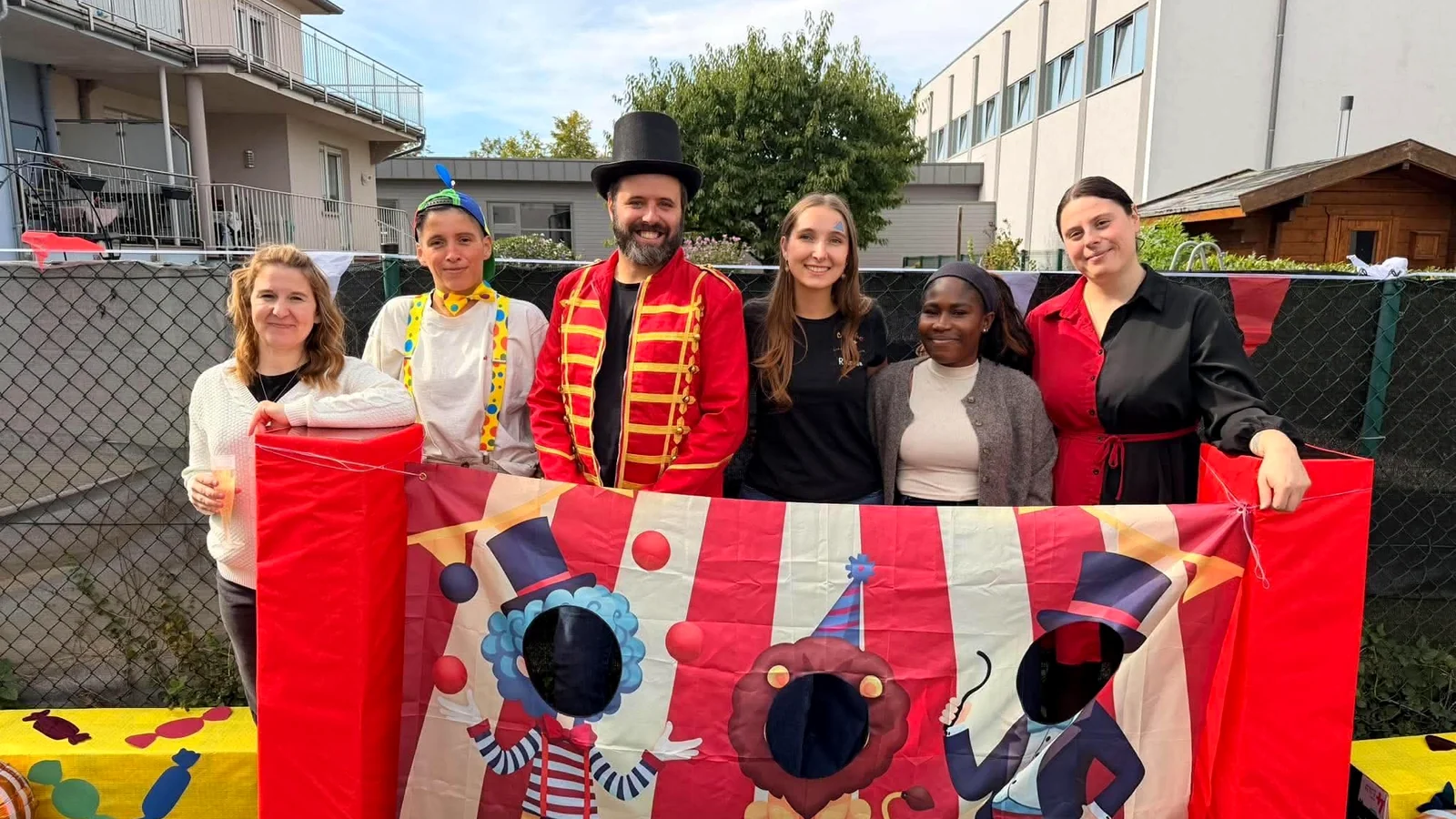
Our educational project is built on very concrete choices. Teams first create a reassuring environment and stable routines. They observe children’s needs around sleep, meals, play and interaction so that daily support can be adjusted. They also respect each child’s pace: some join the group quickly, while others need more time to watch first.
Free play has a real place in the day. It gives children room to imagine, try things, watch others, play alone or gradually join shared play. Educators also offer sensory, creative, movement, language and music activities suited to children’s age and discoveries.
Meals and group times are educational moments too. Our project aims to encourage group life, sharing and conviviality while supporting everyday steps towards independence.
Settling in is prepared with families through first meetings with a parent present, followed by gradual and adapted separations. This gentle start helps children build familiar reference points before fully finding their place in the group.
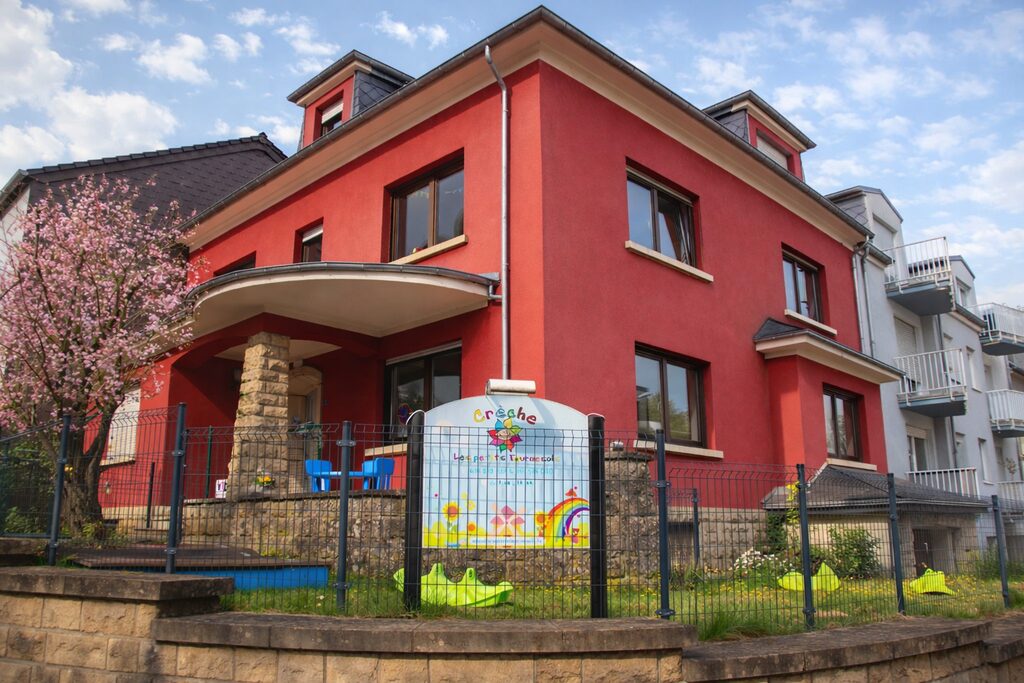
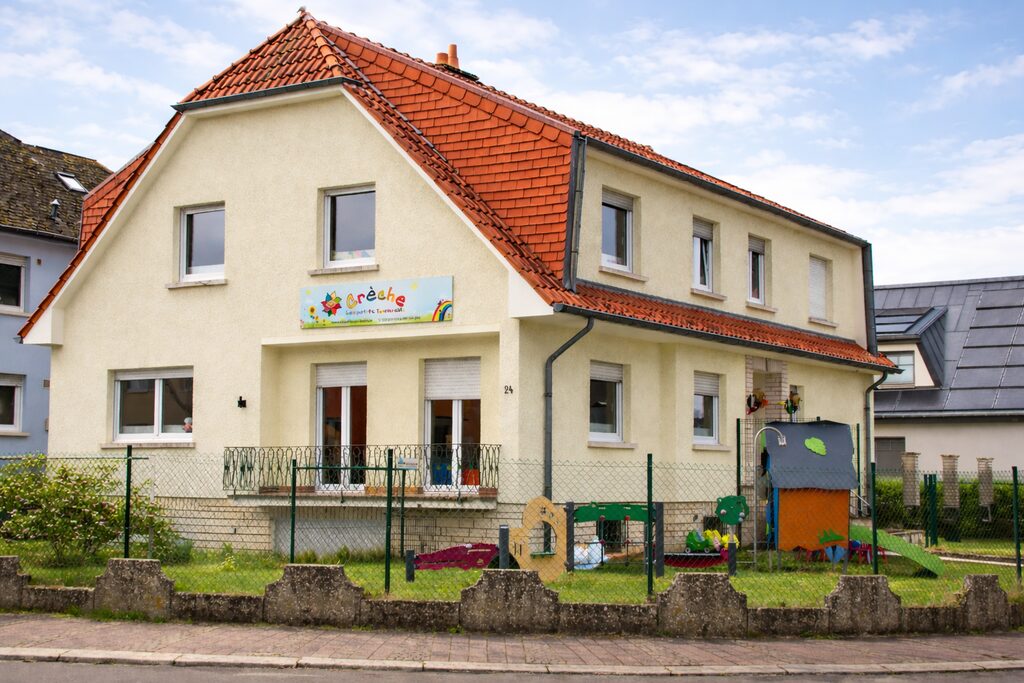
To see how these principles fit into real childcare settings, you can also explore our nurseries: Kayl Nursery, Brouch Nursery and Itzig Nursery.
Key point
Social development does not happen in one isolated activity. It grows through the way the whole day is organised, experienced and supported.
Disagreement is part of learning too
When two children want the same toy, the goal is not necessarily to make the disagreement disappear within seconds. In a safe and supported setting, a disagreement can also become a learning opportunity.
Luxembourg’s national framework notes that group play naturally brings children into contact with different ideas. Professionals are there to support these relationships sensitively and create the right conditions for social learning.
The aim is therefore not a childhood without conflict. It is to help children discover, step by step, how to keep living and playing together when everyone does not want the same thing at the same time.
Attentive relationships make a difference
The relationship with adults matters too. Harvard’s Center on the Developing Child highlights simple, repeated back-and-forth exchanges between a young child and an attentive adult: the child looks, points, babbles, calls or reacts, and the adult responds. These exchanges support early language and social skills.
During a childcare day, this can happen in very small moments: responding to a gesture, sharing a song, supporting a calm moment, watching before stepping in, or simply being available when a child seeks contact.
Before learning how to live in the wider world, a child first learns how to live with other people.
Les Petits Tournesols
Every child finds their place at their own pace
Social development does not mean becoming extroverted. One child may go straight towards others; another may need to watch for a long time before joining a game. Our educational approach is based on observation and respect for each child’s individual pace.
What matters is that children can find a place that feels right for them, in an environment where they feel recognised, secure and increasingly confident around others.
Parents and educators: two views of the same child
A child may be very comfortable at home and more reserved in a group, or the other way around. This is why communication with families is an integral part of our approach. It allows useful observations to be shared, families to be reassured and continuity to be built around the child.
At home, there is no need to turn daily life into an exercise. Playing, listening, responding to the child’s initiatives, putting words to what is happening and talking with professionals already creates useful links between the child’s different environments.
Growing together
When we watch a group of children play, we may simply see blocks, a toy truck, a song or a shared meal. But behind these very simple scenes, much more is taking shape: suggesting, watching, waiting, joining in, refusing, cooperating and reconnecting after a disagreement.
Day after day, children learn to become themselves without forgetting the people around them.
This is how society begins, at a child’s level.
Sources
- Luxembourg — National framework for non-formal education of children and young people
- OECD — Starting Strong VI: Supporting Meaningful Interactions in Early Childhood Education and Care
- Center on the Developing Child, Harvard University — Serve and Return
Talk to our team
Would you like to learn more about your child’s social development or discover one of our nurseries? Contact us.
Frequently asked questions
What do children discover through group life in childcare?
They gradually learn to join play, share space, express their wishes, notice others, cooperate and work through small disagreements.
What is the educator’s role in social development?
Educators create a secure environment, observe children’s needs and interactions, provide stable reference points and support everyday group life.
Does free play help children learn to live with others?
Yes. Free play gives children room to observe, imagine, play alone or with others, and gradually adjust their ideas within a group.
Should a reserved child be pushed to play with others?
No. Every child enters relationships at their own pace. The aim is to offer a reassuring environment and opportunities to participate without imposing one model.
Why is communication between parents and educators important?
Children can behave differently at home and in a group. Sharing observations helps everyone understand their needs and provide reassuring continuity.