


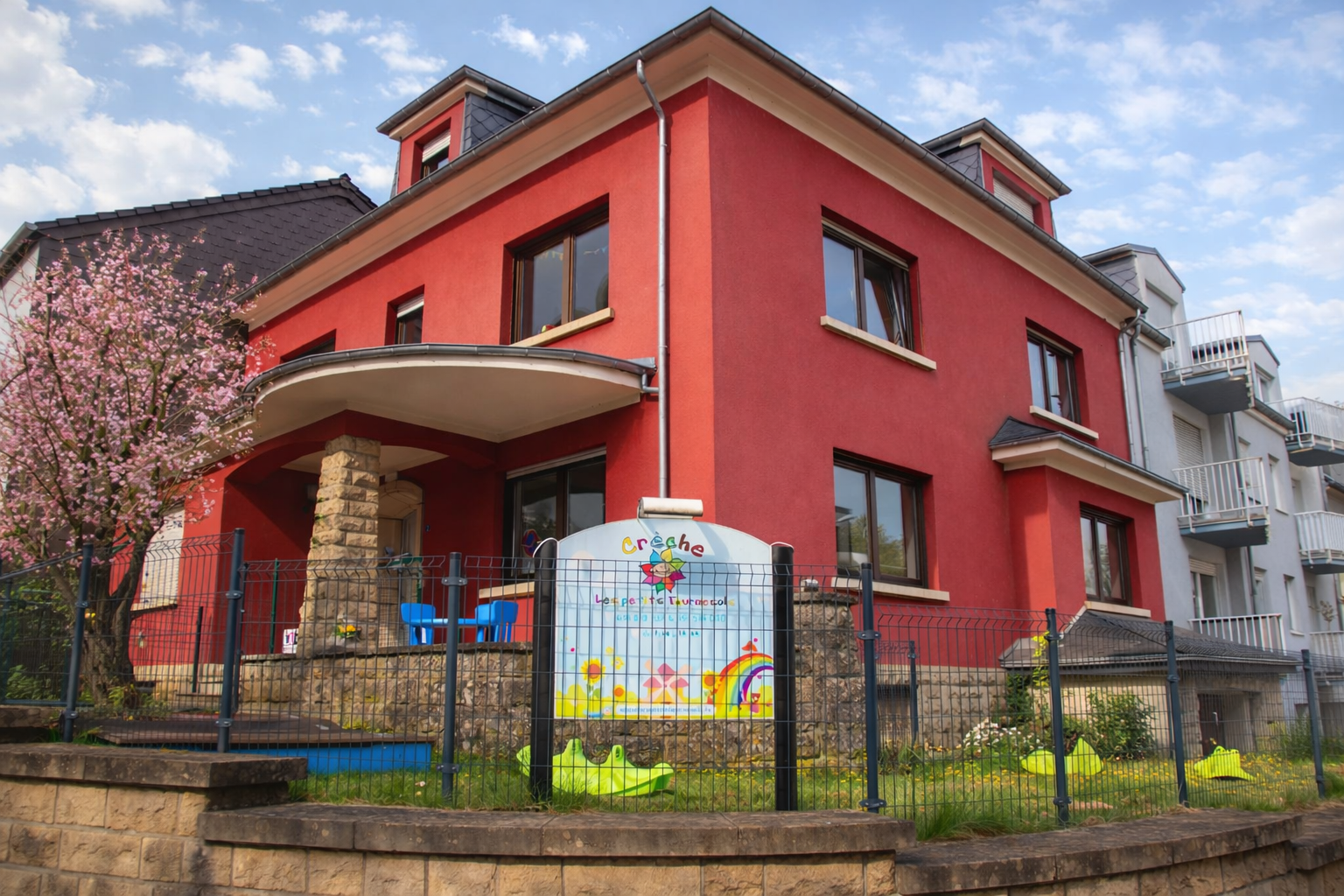
 Kayl Nursery
Located in the heart of Kayl, our family nursery offers a warm and safe environment.
Learn more
Kayl Nursery
Located in the heart of Kayl, our family nursery offers a warm and safe environment.
Learn more
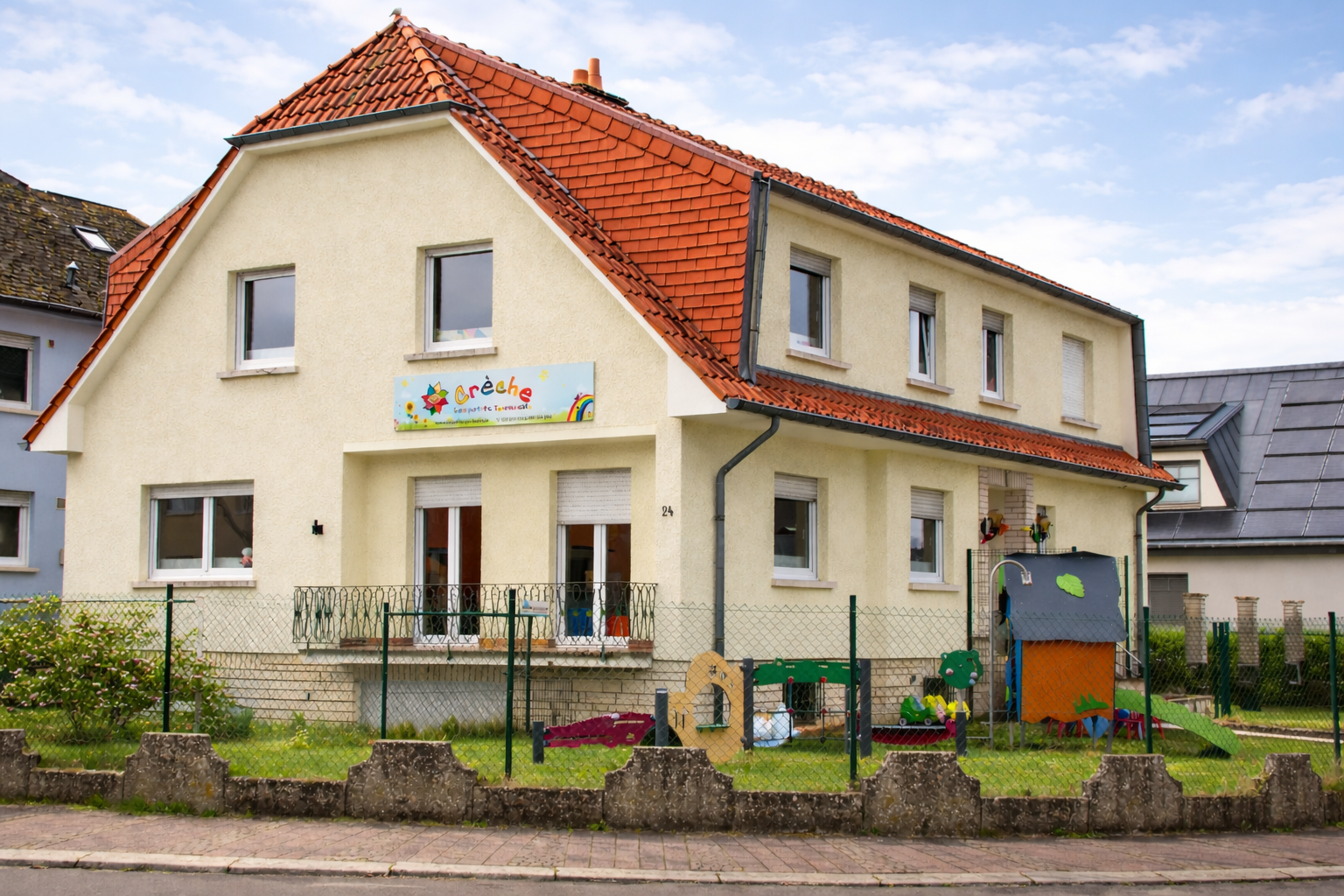
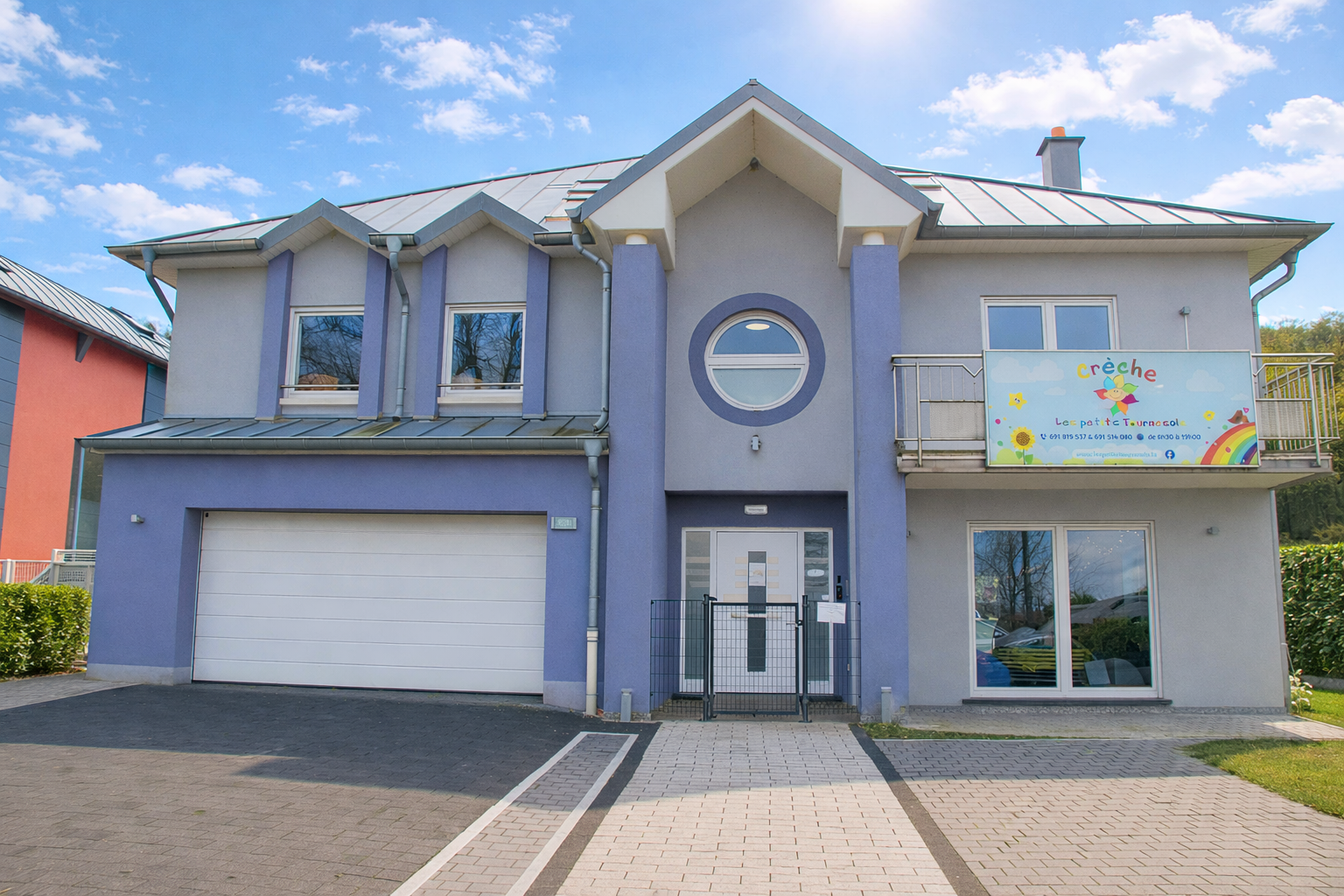
Les Petits Tournesols
Our educational objectives
Our educational project places autonomy, observation and respect for each child's rhythm at the heart of daily support. It guides the way we welcome, reassure and help children grow together with their families.

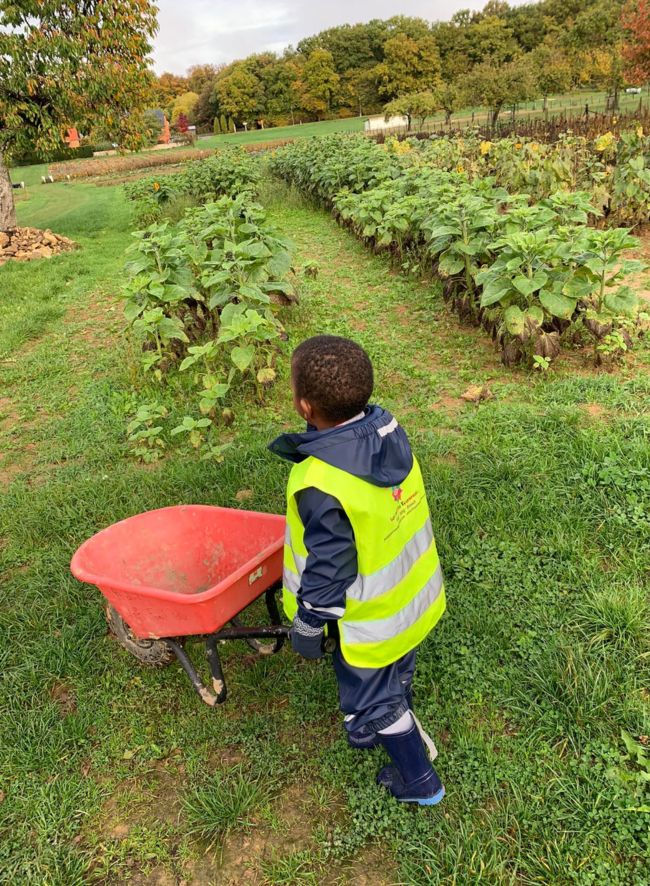
Our foundations
The foundations of our support
These principles guide our daily choices and bring continuity to care, activities and communication with families.
1. Offering a safe and reassuring place
Our priority is to create an environment where every child feels welcomed, confident and recognised.
2. Allowing each child to develop at their own pace
Each child is unique. We adapt our support to their needs, age and discoveries.
3. Fostering autonomy
We encourage everyday gestures, initiative and self-confidence from an early age.
4. Developing socialisation
Group life helps children learn sharing, respect, cooperation and the first rules of living together.
5. Stimulating curiosity and discovery
Sensory, creative, motor and musical activities support children in their discoveries.
6. Encouraging linguistic and cultural openness
French and Luxembourgish play a central role, with openness to other languages according to families.
7. Working in partnership with families
Communication with parents is an integral part of our organisation to ensure reassuring continuity for the child.
8. Valuing the joy of learning and growing
We want every child to flourish in a joyful, caring environment rich in experiences.
Everyday life
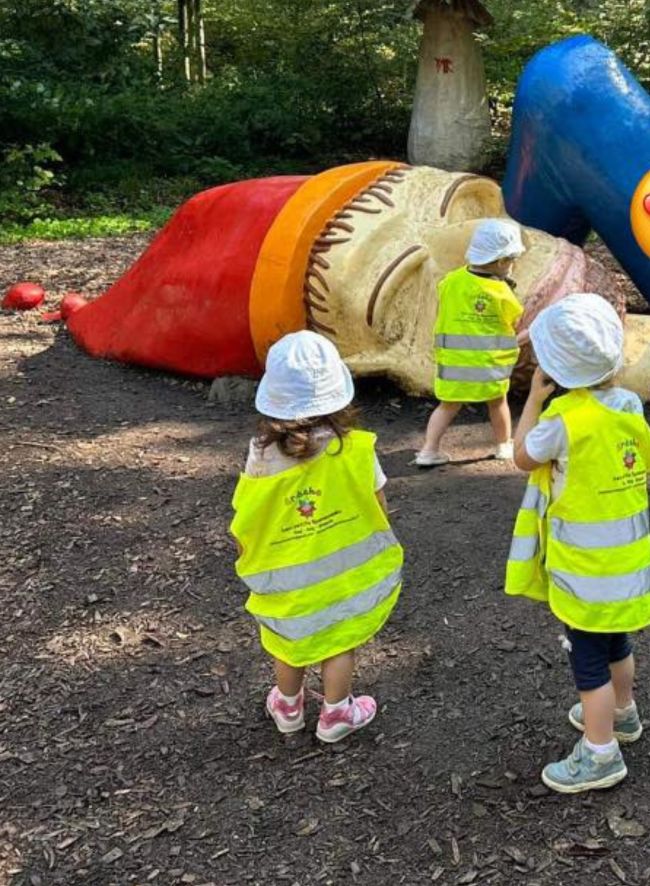
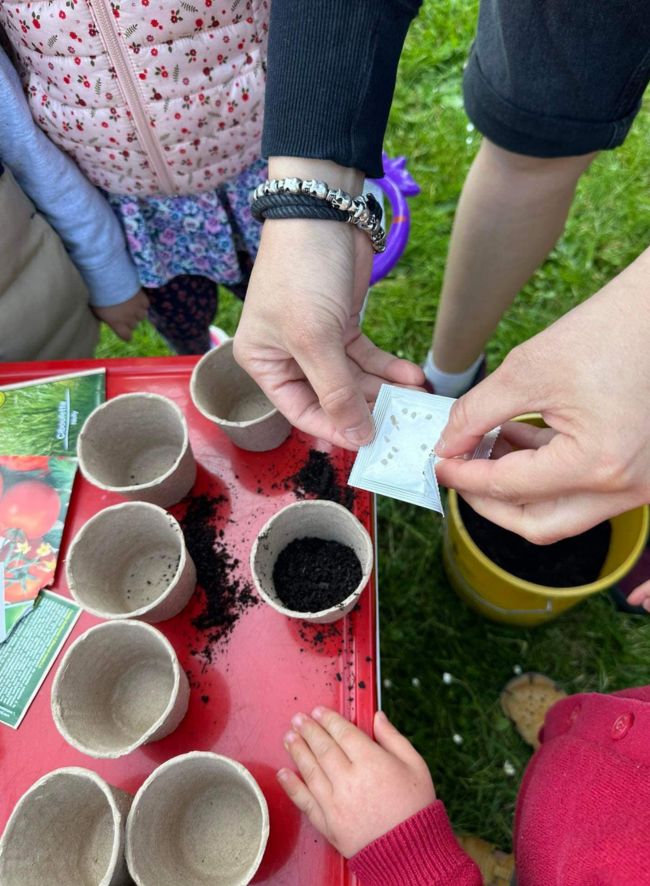
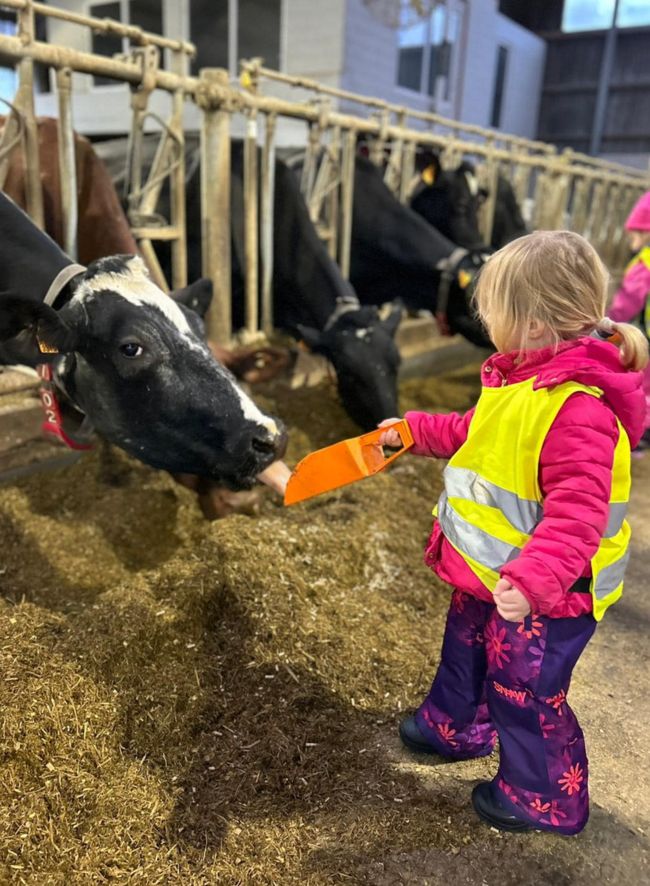
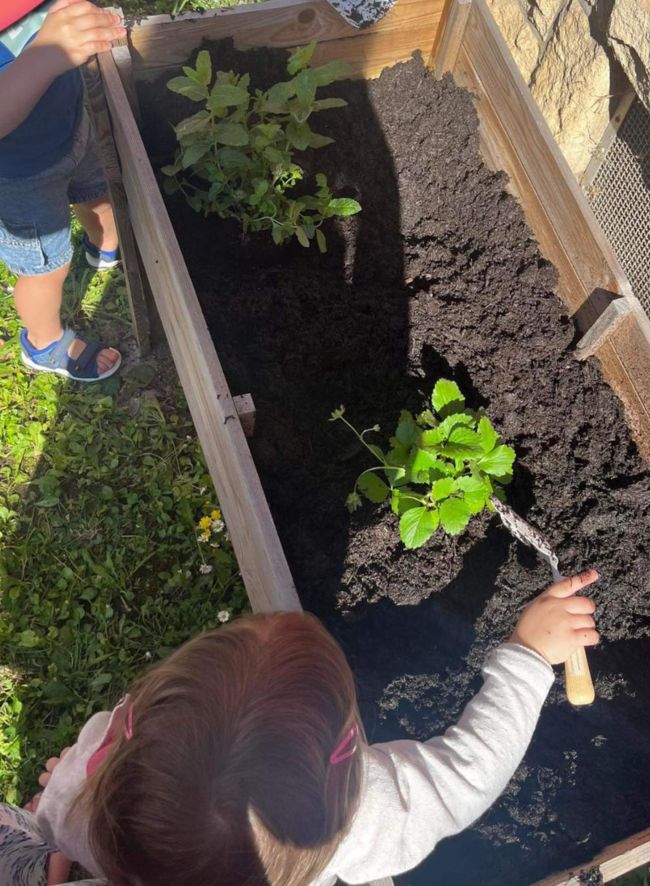
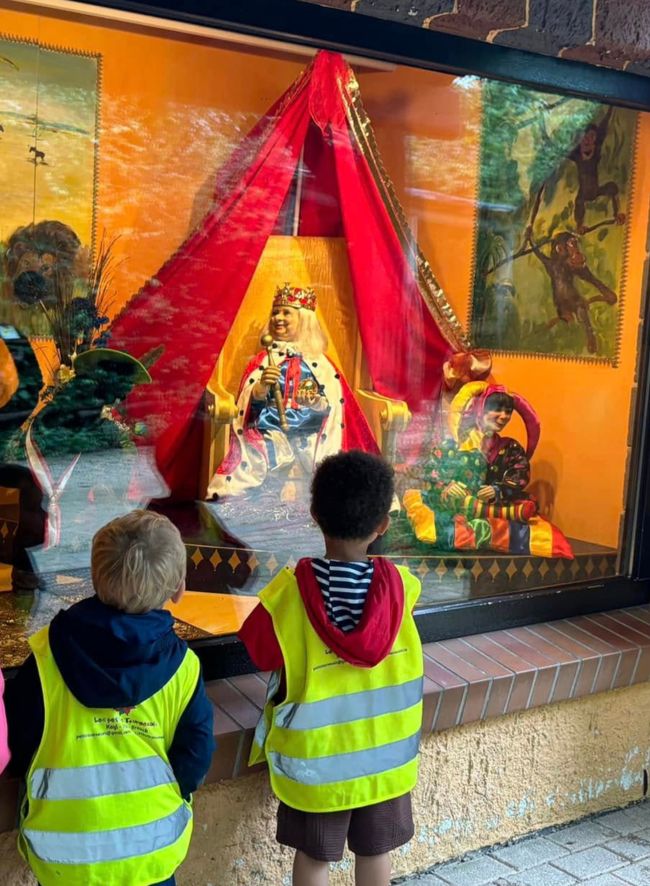
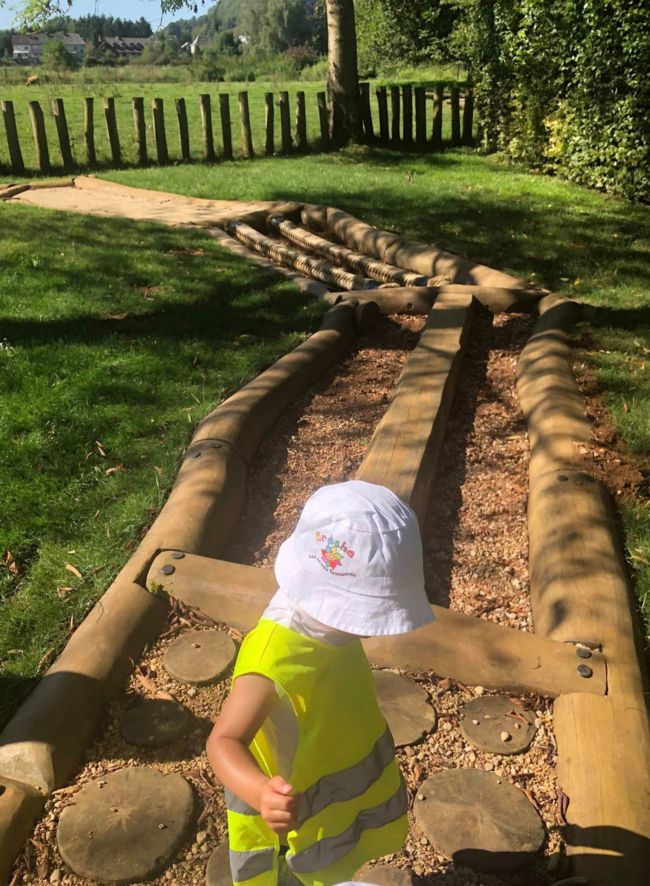
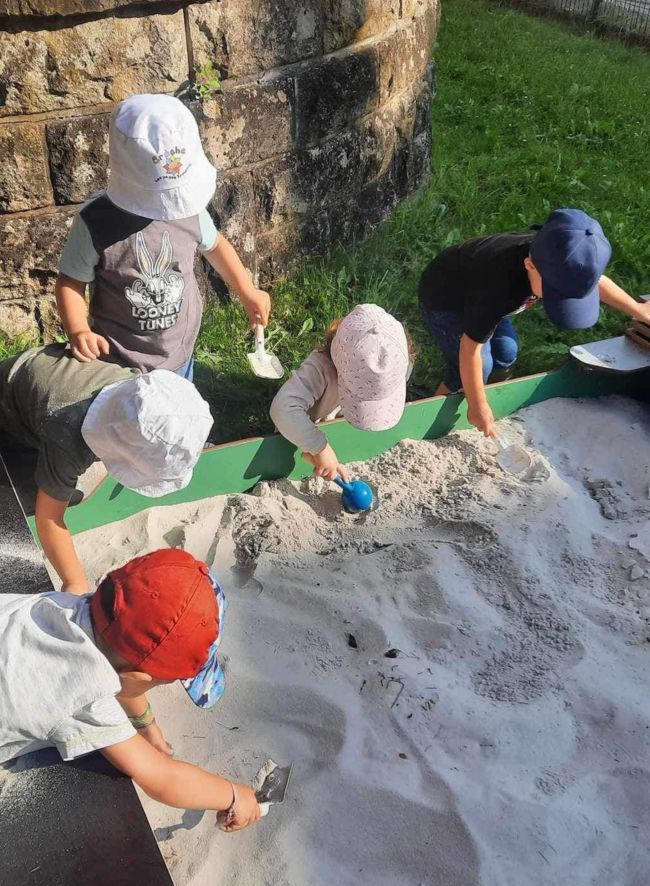
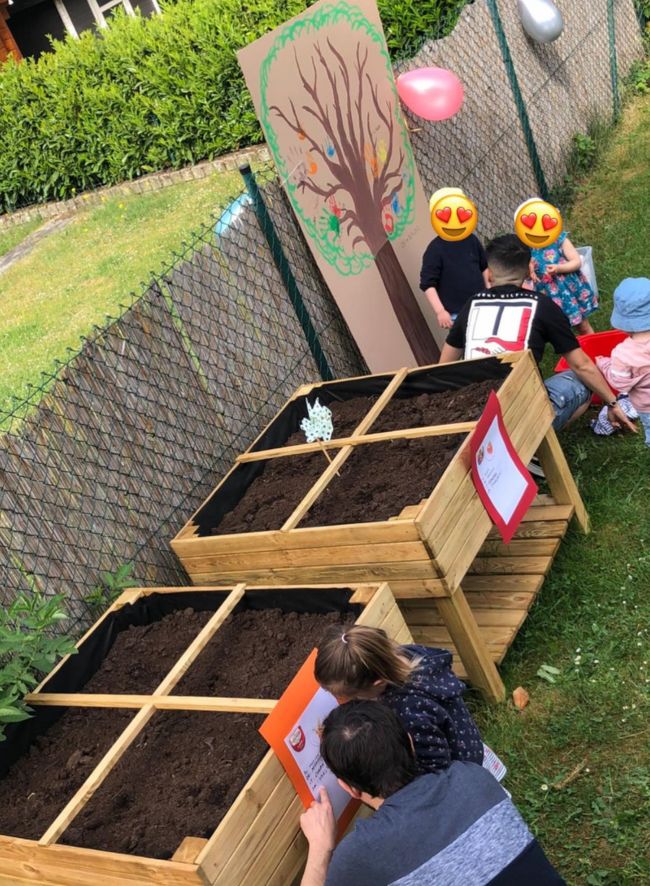
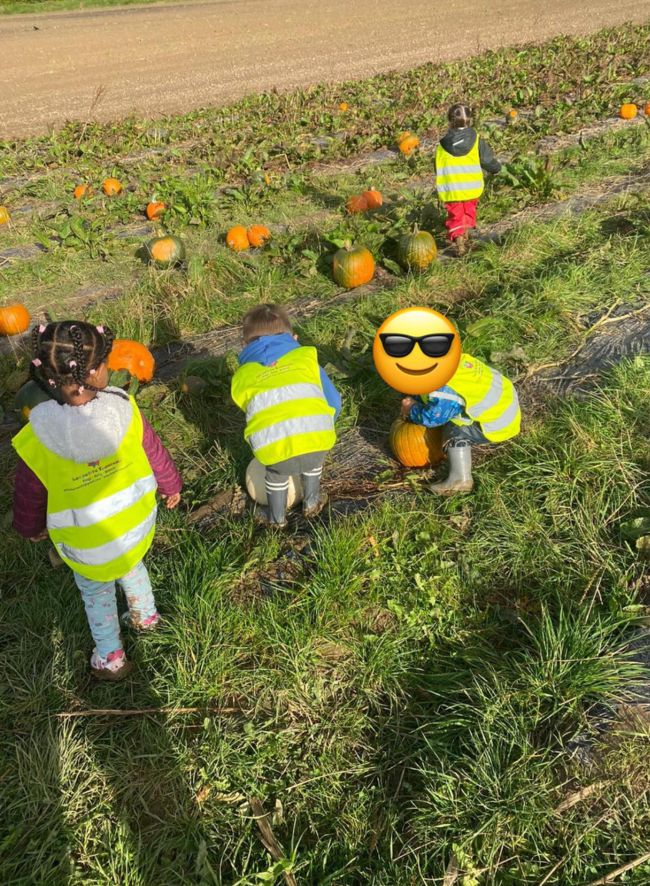
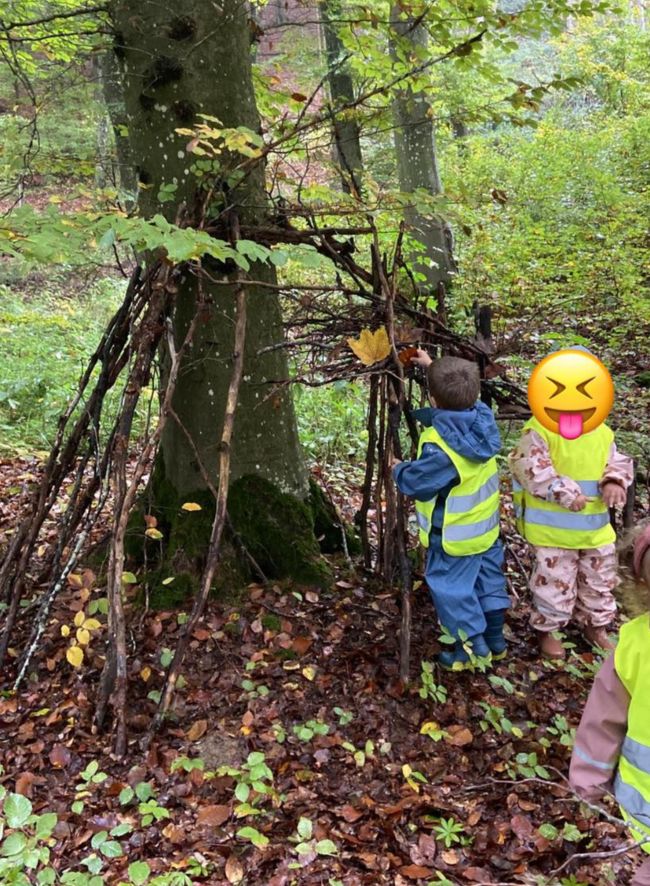
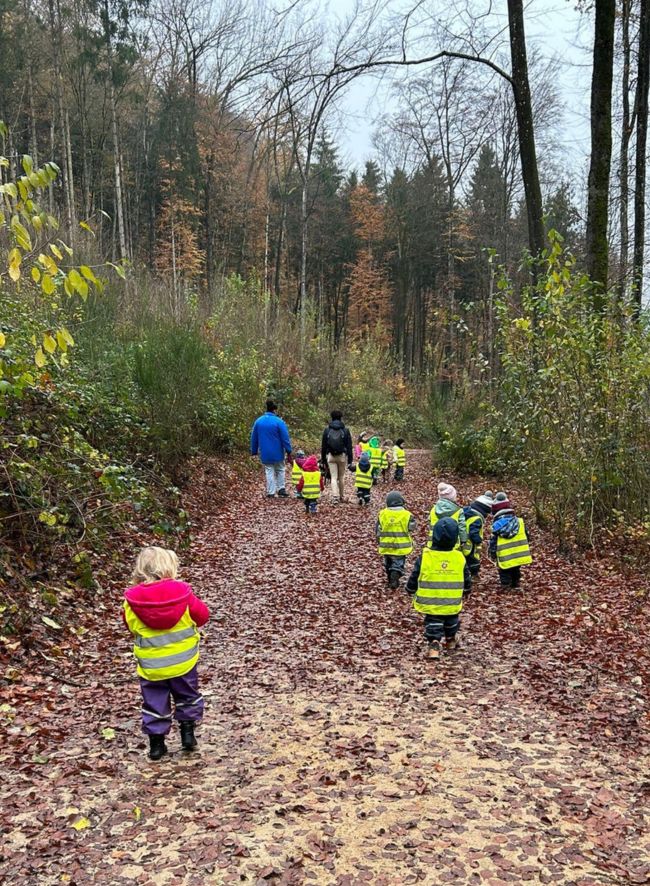
Concrete experiences throughout the day
Spaces, play and discovery moments are designed to encourage exploration, autonomy and the joy of growing together.
The day
The rhythm of the day
Each part of the day is organised to create stable, reassuring routines adapted to children’s age and needs.
Free play and activities
- Making room for free play to foster imagination and autonomy.
- Offering sensory, artistic, motor and language activities.
- Creating exploration moments adapted to each child’s age.
Meals and group time
- Making meals a moment of pleasure, discovery and learning.
- Supporting children in acquiring autonomous gestures.
- Encouraging group life, sharing and conviviality.
Nap time and quiet moments
- Respecting each child’s sleep rhythm.
- Providing a calm and reassuring environment.
- Offering quiet, restful and recentring moments during the day.
Growing up
Child development
We adapt our approach to each child’s age, needs and discoveries, while keeping a constant focus on individual rhythm.

Developing autonomy
We encourage children to do things by themselves, gain confidence and develop everyday skills.
Developing socialisation
Relationships with others, sharing, listening and cooperation are progressively developed in group life.
Psychomotor development
Motor, sensory and manipulation activities help the child better understand their body and environment.
With families
A gentle adaptation phase
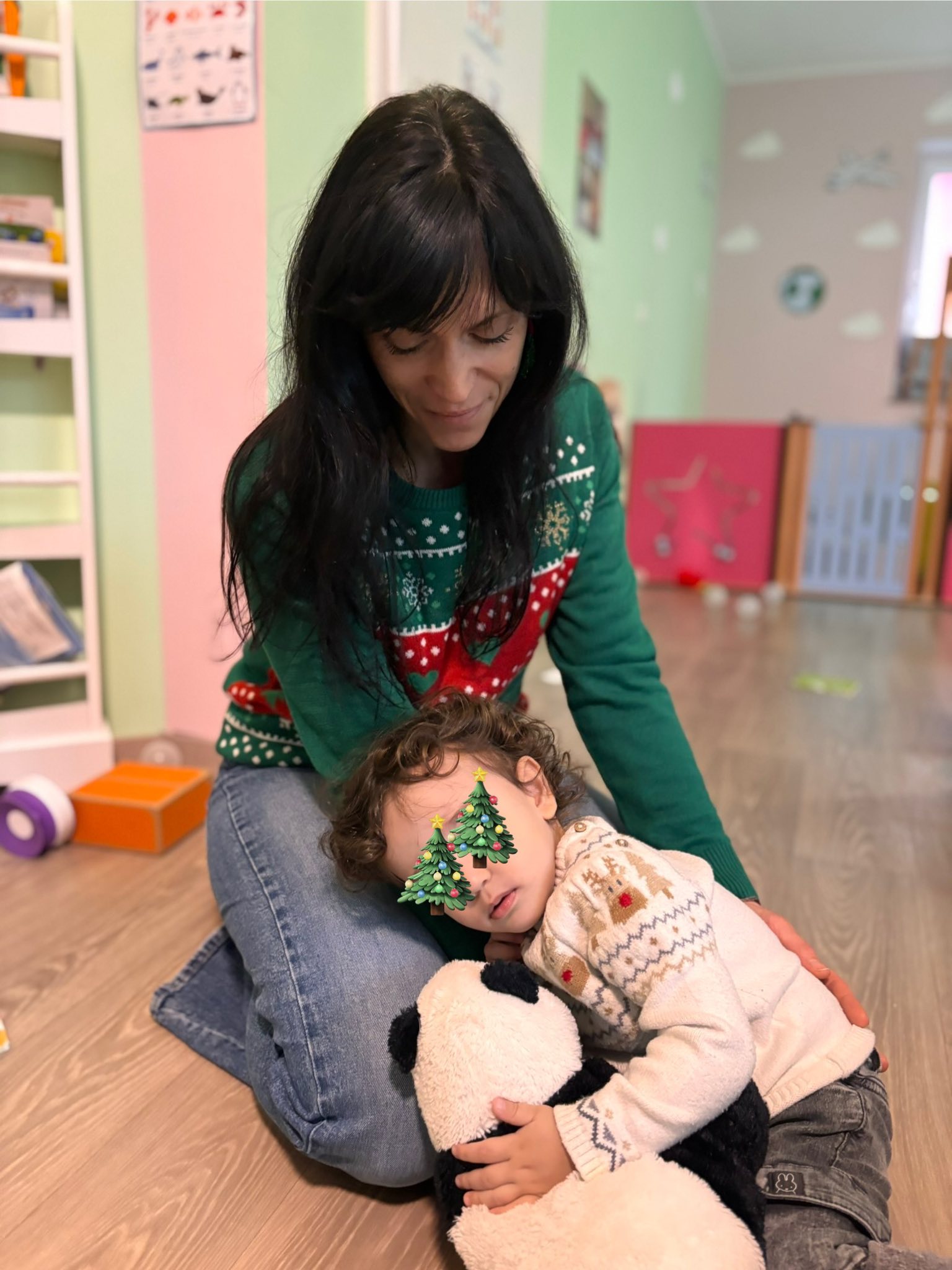
Settling into the nursery is prepared together with families. This adaptation phase is essential to build trust and allow the child to settle gradually into their new setting.
The settling-in period is prepared together with parents so that each child can find reassuring routines with confidence.
- First meetings in the presence of the parent.
- Progressive and adapted separation times.
- Careful observation of the child’s needs and rhythm.
Parents’ questions
Frequently asked questions about our approach
These answers cover the questions families most often ask before arranging a visit or registration.
How does the nursery adaptation period work?
Adaptation is built gradually with parents through shared visits followed by short and reassuring separation times.
How do you respect each child’s rhythm?
We observe sleep, meals, play and interaction needs so that support can be adjusted every day while preserving the child’s routines.
What place do families have in the educational project?
Communication with parents is part of the project itself: it helps share useful information, reassure families and create educational continuity.